Reviews





We look at the damage, explain what it needs and give you a written price before we start.
Filing a claim is easier with good records. We document everything and talk to your adjuster for you.
The sooner drying starts, the less there is to repair. Our phones are answered around the clock, with same-day visits when available.
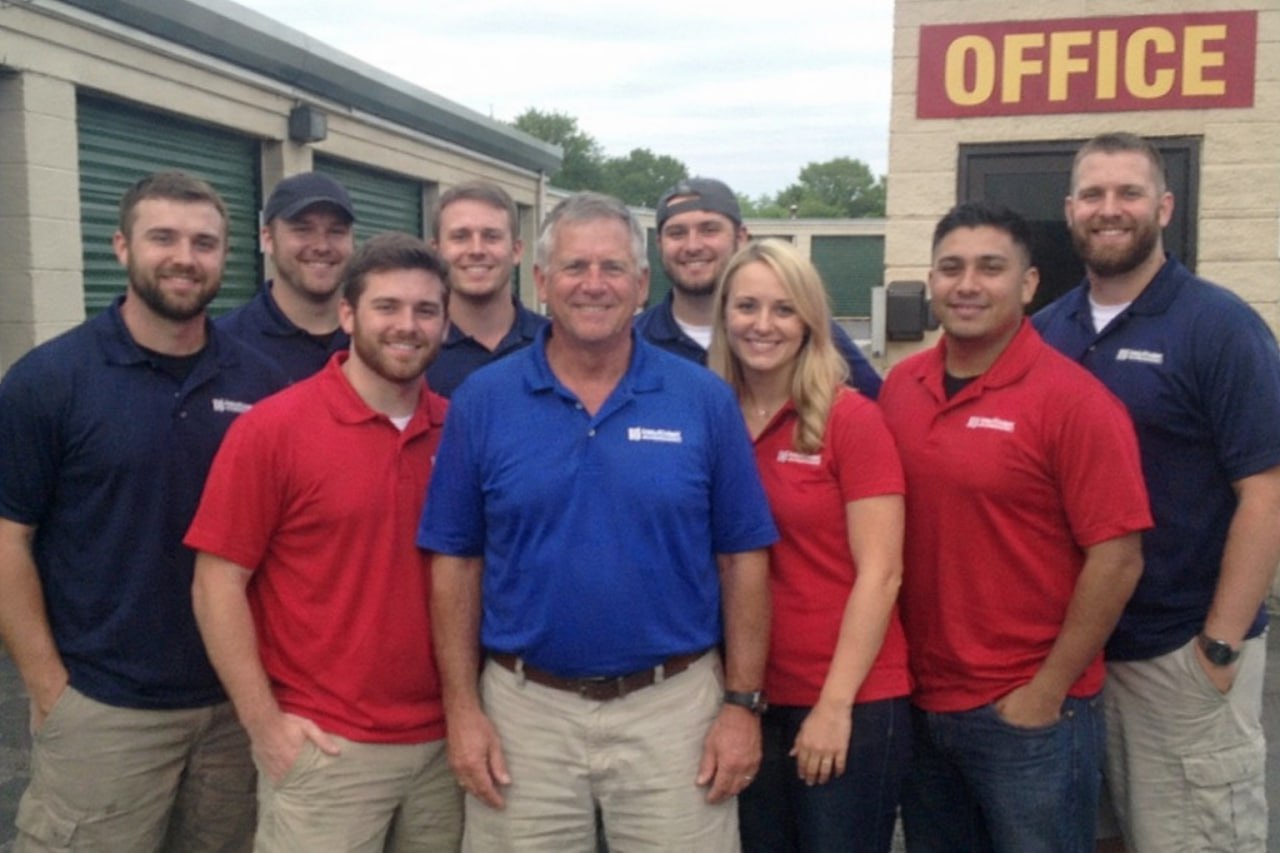
When you call about wet carpet drying, you reach a restoration team that works in Fort Lauderdale every day. We tell you what it will take, give you a clear quote and get a crew moving.
A wet carpet is hiding a lot more water than you can see. Up top the fibers may seem barely damp, yet the pad has filled up the way a sponge does and the subfloor under it has gotten wet as well. Towels and a shop vacuum reach the top layer and little else. For Fort Lauderdale homes, our crew handles the extraction, meters the carpet, pad and subfloor, and runs drying gear that gets to the bottom layer.
Saving a carpet comes down to how long it stayed wet and whether the water that soaked it was clean. When a clean supply line is the source and we arrive early, drying the carpet where it lies usually works. Gray water from an appliance often means the pad goes and the carpet gets cleaned and treated. After sewage or flood water from outdoors, neither the carpet nor the pad stays.
Under the surface, the pad pulls water outward, well beyond what looks wet. The tack strip starts taking on water as it creeps below the walls toward the room next door.
That sour wet carpet odor shows up as bacteria multiply in the damp pad. Dust held down in the fibers and the carpet backing both give mold a place to begin.
As the latex bonding the backing gives out, the carpet delaminates and starts to ripple. Nails in the tack strip start rusting, and the subfloor swells.
Carpet and pad left wet this long generally cannot stay. The work gets bigger, since mold is often on the subfloor and the lower edge of the drywall.
It depends on the material, how long it stayed wet and how clean the water was. We test before we decide, and we tell you why.
Ask a Tech: (786) 541-8334| Material | Can usually be saved when | Has to be replaced when |
|---|---|---|
| OSB or particleboard subfloor | Flat at the edges, firm, and dry on the meter within a few days | Seams have risen, or the board flakes and feels soft |
| Plywood subfloor | Feels firm when walked on, and the meter reads normal after drying | Surface mold, soft areas, or plies that are coming apart |
| Drywall at the floor line | Dampness stayed near the floor and the board is solid after drying | Contaminated water wicked into it, or it is swollen, soft or moldy |
| Baseboards | Wood boards still flat after drying, with no gap at the wall | Fiberboard trim that puffed up, or any board with mold behind it |
| Carpet pad | Only a small section got wet, from clean water, and drying begins that day | Water that was not clean, or soaking that went past a couple of days |
Even clean water goes bad the longer it sits. Soil and bacteria build up in it inside the carpet and pad, and a carpet that was dryable can end up being torn out.
Growth usually starts on the underside of the carpet, where it is dark and damp. You smell it long before you ever see it on top.
Pad can hold many times its weight in water. Long after the top feels dry, that pad is still passing moisture up into the carpet and down into the floor.
Left wet, the OSB or particleboard beneath a carpet swells and then crumbles. The soft spots, squeaking and lifted seams appear weeks afterward, when nobody remembers the spill.
We trace how far the water traveled with moisture meters and thermal imaging, including under walls and into closets. Then we determine which category of water it is, as that tells us what is safe to keep.
With weighted extractors, carpet and the pad beneath it are pressed and emptied in one pass. This removes far more than a wand alone, and it shortens the drying time that follows.
The carpet is either pulled back so the pad can go, or left down with air blown beneath it, whichever the job needs. Air movers and dehumidifiers run until carpet and subfloor both read dry.
We treat the carpet and subfloor with an antimicrobial where needed, lay new pad if the old one came out, restretch the carpet onto the tack strip, and clean it.
Not seeing your question? Call and ask. It costs nothing to talk it through.
Call (786) 541-8334Don't wait for small problems to become expensive emergencies. Call Fort Lauderdale Restoration for fast, reliable service.
Call (786) 541-8334 Now