Reviews





The sooner drying starts, the less there is to repair. Our phones are answered around the clock, with same-day visits when available.
Every technician is IICRC certified and has handled hardwood floor water damage many times. You get a clear plan before any work starts.
You get a straight answer on cost up front, with every line explained and nothing hidden.
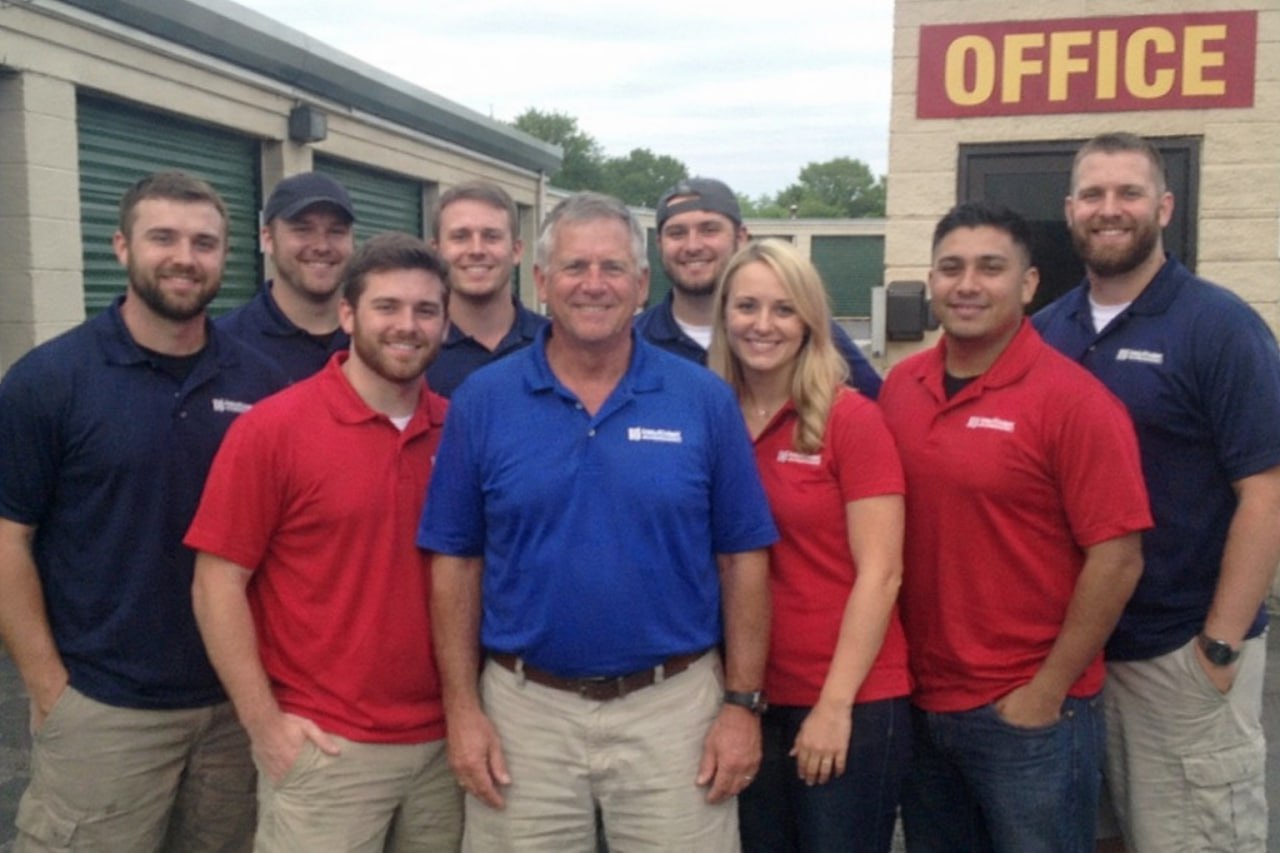
When you call about hardwood floor water damage, you reach a restoration team that works in Fort Lauderdale every day. We tell you what it will take, give you a clear quote and get a crew moving.
It does not take long for water to change a wood floor. Boards take on moisture from below and from the edges, swell against each other and start to cup, with the edges rising higher than the center. That does not mean the floor is lost. When drying starts within the first few days, solid hardwood frequently lies flat again. The key is pulling moisture out of the boards and the subfloor underneath at a steady, controlled pace.
Our tool for hardwood is the floor drying mat. Each mat is sealed against the floor and hooked to a vacuum unit, which pulls moisture upward through seams and boards as dehumidifiers dry the air in the room. Compared with carpet or drywall it is slower, commonly a week or more. Hold off on the sander until every board is fully dry. A cupped floor sanded early ends up crowned afterward.
Moisture beneath flooring does not stay put. Next door rooms, the area under cabinets and walls, and the ceiling below are all places it can end up.
When the top of the wood dries much quicker than the inside, stress builds in the board. Boards may then split, crack or shrink apart for good.
If cupped boards get sanded level before they dry, the high edges are ground away. After the moisture leaves, each board is left with a raised center, which is crowning.
Long after the boards seem dry, the subfloor may still be holding water. Unless that layer is dried as well, expect renewed cupping or mold on the underside.
We save what can be dried properly and remove only what cannot. Moisture readings make that call, not guesswork.
Call (786) 541-8334| Material | Can usually be saved when | Has to be replaced when |
|---|---|---|
| Paper or felt underlayment | Rosin or felt paper that dries along with the boards above it | Wet layers uncovered during board removal or showing growth |
| Plywood subfloor | Plywood that stayed firm and level and meters normal after drying | Layers separating, soft spots or visible mold growth |
| Engineered hardwood | A short spill on top that left the plank edges unswollen | Planks that are delaminating, swollen or wet underneath |
| Baseboards and shoe molding | Wood baseboard removed for drying and put back undamaged | Swollen or crumbling shoe molding and MDF base |
| Solid hardwood | Boards that cupped but remain nailed tight, if dried within days | Buckled, split or blackened boards, or any sewage contact |
Seams let the water through, and it fans out in the layer between flooring and subfloor. Underneath, the wood remains wet even after the face has been dried.
Boards swell and the edges rise. You might notice haze in the topcoat. Mold can begin on the subfloor and the unfinished underside of the wood.
Swelling builds pressure across the floor. Edges get crushed together, nails work loose and parts of the floor may start rising from the subfloor.
Black stains, buckled boards and mold beneath the flooring are now probable. At this stage most of the wet area needs to be replaced rather than dried.
Our team meters the wet boards, the subfloor under them and a dry area of floor to compare against. That tells us how deep the water went and whether saving the floor is realistic.
Standing water is extracted right away and rugs and furniture are moved off the wet area. The faster water stops feeding the seams, the less the boards swell.
A vacuum system hooked to mats sealed on the surface lifts moisture out of the boards from above. To avoid cracking, dehumidifiers keep conditions steady and the wood dries at an even rate.
Readings are logged every one to two days and the equipment stays until the wet zone equals the dry comparison areas. At that point you hear from us if it needs nothing, some replacement boards, or a refinish.
Have a different question? Call us and we will answer it over the phone.
Call (786) 541-8334Take action now and prevent costly damage. Fort Lauderdale Restoration is ready to help.
Call (786) 541-8334 Now