





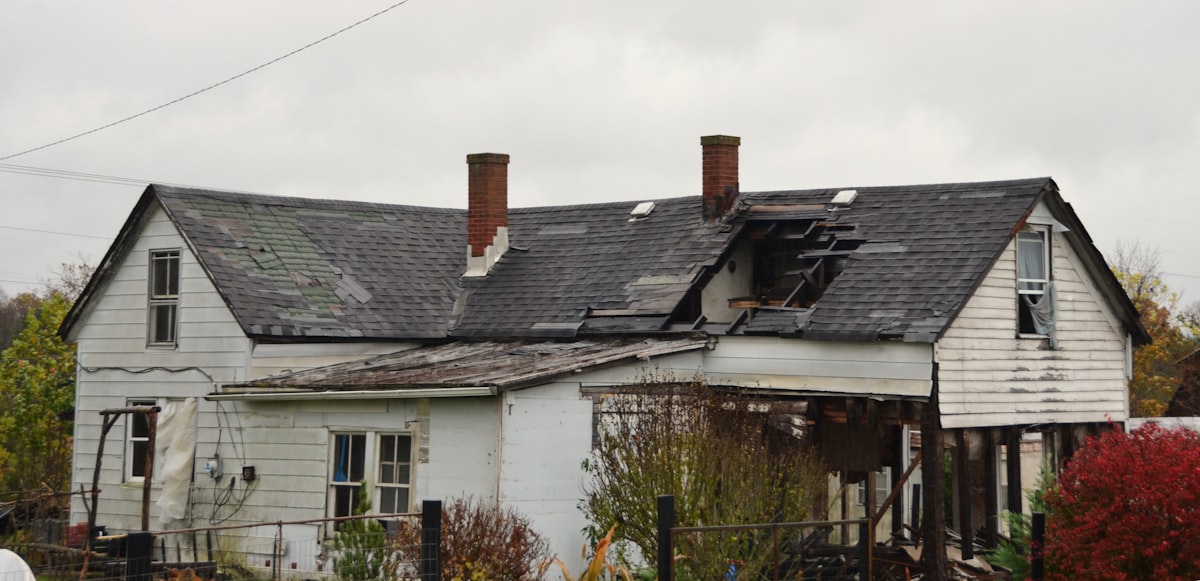
In Fort Lauderdale, severe weather such as flash flooding, tropical systems, hurricanes and hard rain can leave a property badly water damaged. Wind-driven rain pushes water in through damaged roofing, broken windows and loose siding. Once the roof leaks, water saturates wall cavities, ceilings and insulation. Lower levels flood when storm drains are overwhelmed by a sudden surge of water. When a storm damages your property, Fort Lauderdale Restoration responds on an emergency basis to limit water intrusion, extract standing water and start restoration right away.
Our storm damage repair covers the whole job, from emergency board-up and tarping that keep more water out, through water extraction, structural drying and rebuilding what was damaged. One problem tends to trigger the next after a storm, as a roof opening admits water, wet ceilings and walls break down, and poor drying leads to mold growth. Our approach ties every one of those linked problems into a single, coordinated plan.
Insurance documentation matters a great deal after a storm, so we record all damage with photographs, moisture readings, damage assessments and detailed scope-of-work reports. Our team stays in direct contact with your insurance carrier during the claim and can advocate for a fair review of what the storm did to your property.
Storm Damage Repair FAQ
Storm Damage Repair Issues? We Can Help.
Call Fort Lauderdale Restoration for fast, reliable service.
Call (786) 541-8334 TodayWhy Storm Damage Repair Is Not a DIY Job
Storm damage creates complex, connected repair needs that take experienced restoration professionals to handle properly. What seems like a small leak indoors can hide widespread water damage in wall cavities, roof decking and insulation, which turns into mold and structural decay unless it is identified and dried properly. Professional restoration technicians use thermal imaging and moisture meters to trace water paths and identify every affected area.
Tarping and boarding up only work when they are done with the right technique. Tarps put on the wrong way may funnel water into the building or tear loose in the wind. We have done a lot of storm mitigation, and we use suitable materials and methods so the temporary protection holds until permanent repairs are on the calendar.
How Our Storm Damage Repair Works
We follow a proven process to ensure every job is completed to the highest standards. Here's how we handle storm damage repair from start to finish:
Tarp and Secure the Property
First the building is secured: breaches are sealed, broken glass is boarded over and roof damage is covered to stop further water intrusion ahead of permanent repairs.
Water Extraction & Assessment
All storm-related water is extracted. A thorough inspection follows, using thermal imaging plus moisture meters to map the complete extent of damage.
Structural Drying
To keep mold from growing, we dry the flooring, wall cavities, insulation and roof decking with commercial air movers and dehumidifiers.
Permanent Repairs & Reconstruction
Damaged roofing, siding, drywall, insulation, flooring and other components are repaired or replaced. When we finish, the building is returned to how it looked before the weather hit.
Warning Signs for Storm Damage Repair
Recognizing the warning signs early can save you time, money, and prevent significant damage to your property. Here are the most common indicators that it's time to call a professional:
- Rain blown in around door frames, window frames or openings in the wall
- Attic or wall insulation that is damp or matted down following a storm
- Water in the lowest level after storm drains back up or overflow
- Standing water in attic spaces, especially by skylights and chimneys
- Downspouts knocked off and gutter runs hanging after high wind
- Water stains that show up on ceilings or walls during or after a storm
- Flashing that is bent, loose or missing at roof edges, valleys and vents
Early Action Saves Money
What seems like a minor issue today can turn into a major expense tomorrow. If you notice any of these signs, contact Fort Lauderdale Restoration at (786) 541-8334 for a prompt evaluation.
Want a Professional Opinion?
Our experienced technicians can assess your situation and recommend the best solution.
Get Help: (786) 541-8334Can You Handle Storm Damage Repair Yourself?
Some simple tasks are suitable for DIY, but most water damage work benefits from professional tools, training, and experience. Consider the following comparison:
| Factor | DIY Approach | Professional Service |
|---|---|---|
| Repairs | Surface repairs that leave problems underneath | Full repair of structure and finishes |
| Mold Risk | Partial drying leaves room for mold | Moisture readings confirm materials are dry |
| Temporary Protection | Tarps may fail or cause more damage | Proven methods for covering roofs and windows |
| Insurance Claim | May miss damage that should be claimed | Complete records back up every item claimed |
| Damage Assessment | Hidden water routes are easy to overlook | Thermal imaging traces water to all affected areas |
Storm Damage Repair Prevention Tips
A little prevention goes a long way in avoiding expensive restoration emergencies. Follow these tips from our IICRC-certified technicians:
- For insurance purposes, keep a yearly set of pictures showing the state of your property
- Reseal worn caulk and weatherstripping around windows and doors before the rainy season
- Install impact-resistant windows or storm shutters if you live in a hurricane-prone area
- Make sure the attic is properly ventilated and insulated to prevent ice dams
- Trim trees near your home to lower the risk of wind-driven branch damage
- Extend downspouts and slope the soil so runoff moves away from the foundation
Schedule Your Storm Damage Repair Service
The sooner you call, the sooner we can help. Reach Fort Lauderdale Restoration for same-day service.
Call (786) 541-8334 Now